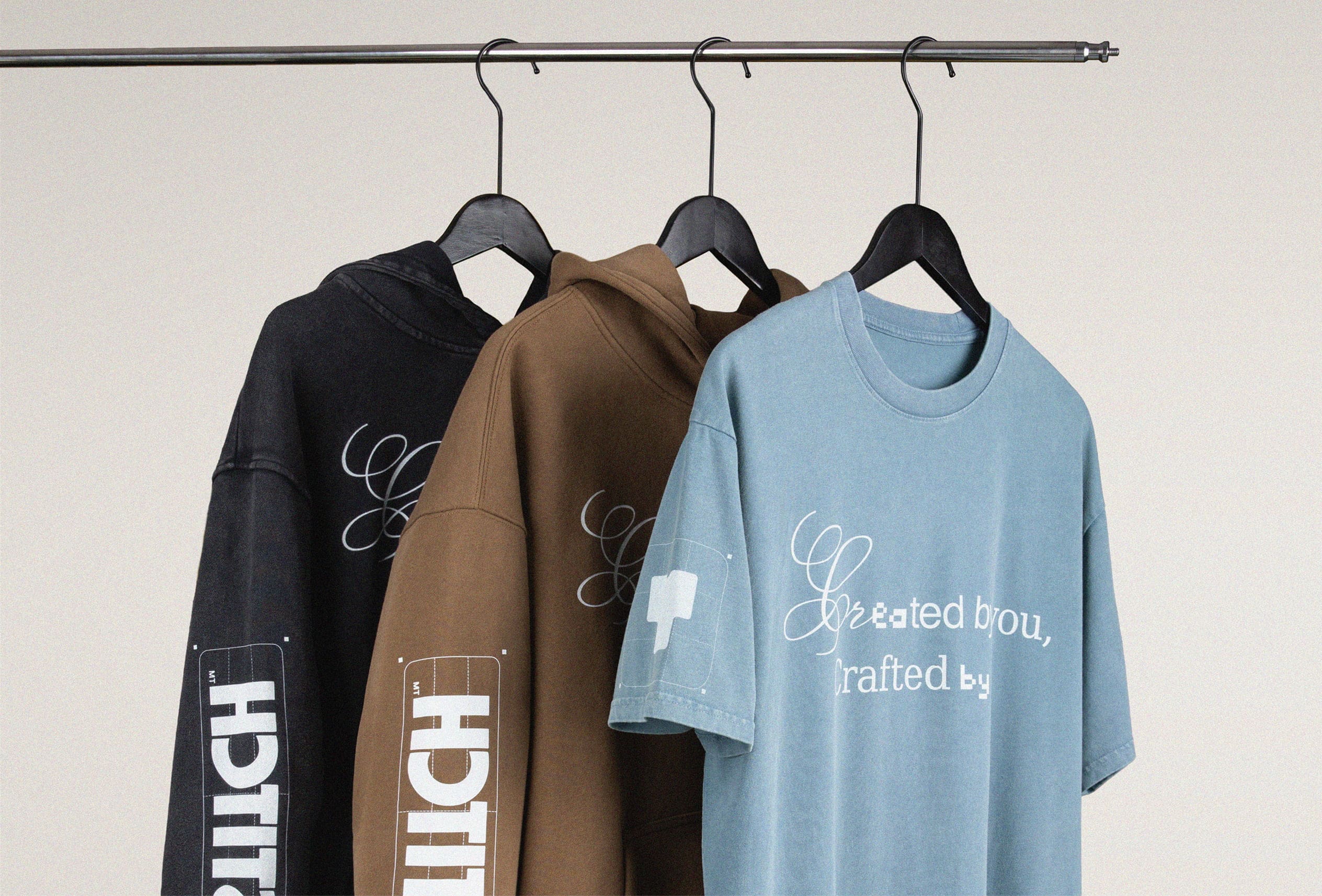







How to Start a Print on Demand Business in 2026: A Complete Guide
.jpg)


There are a lot of low-risk ways these days to sell products online, and if you've been looking into it, there's no doubt you've heard about doing a print-on-demand business. And for good reason—in 2026, it's one of the most accessible business models around. No inventory. No upfront printing costs. No shipping headaches. Just you, your designs, and a platform that handles the rest. Sounds amazing? It definitely can be.
Of course, understanding how to start a print-on-demand business the right way is what sets the successful store owner apart from the ones who will continue to go through the motions for months without ever making a single sale. That is exactly what we will cover in this guide: from the understanding of the concept to the actual process of creating your store.
What is Print on Demand (POD) and How Does it Work?
Okay, so before we get ahead of ourselves: what is a print-on-demand business, exactly?
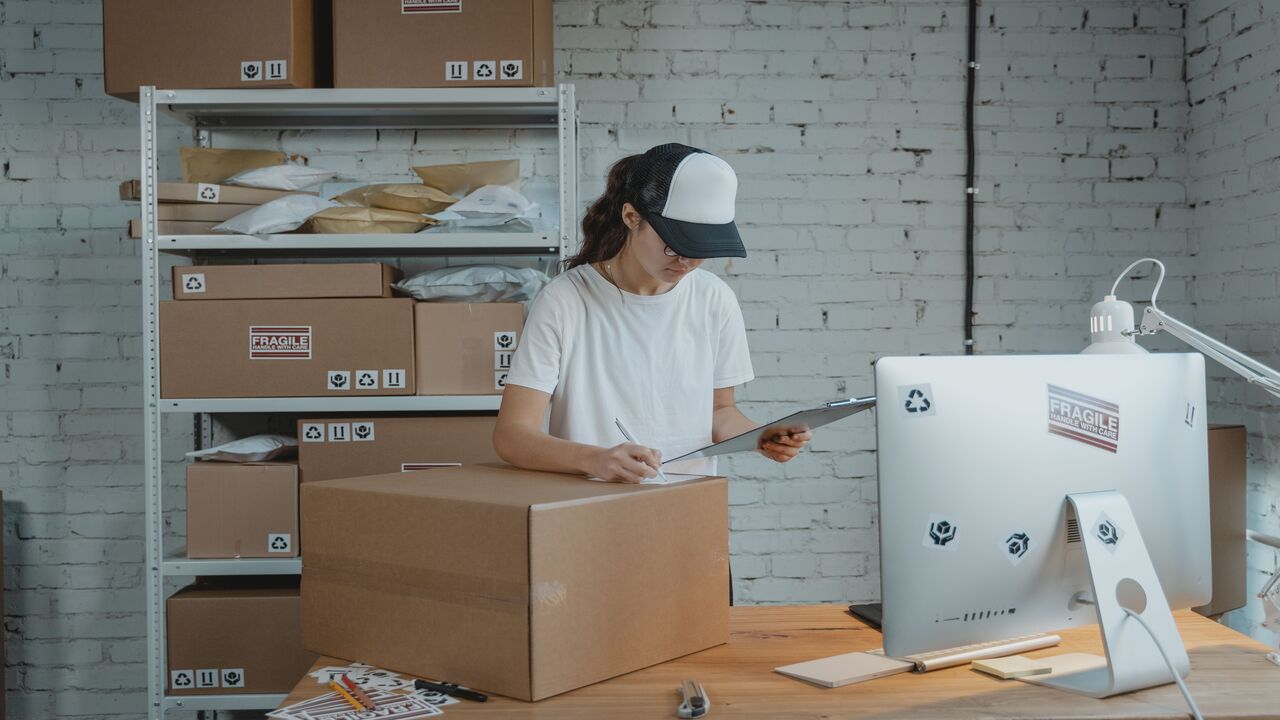
To put it as simply as possible, it is a business model in which you sell custom-designed products, like t-shirts, mugs, wall art, and phone cases, without ever having to hold any inventory. Once a customer makes an order, a third-party print company, like Tapstitch, prints your design on the product and ships it to your customer on your behalf.
Understanding how print-on-demand works is essential before diving in. Here's the basic flow:
- You create a design and list it on your online store.
- A customer orders one of your products from your store.
- The order is automatically sent to your print provider.
- The POD partner you've chosen prints, packs, and ships the product directly to your customer.
- You calculate the profit margin as the difference between your selling price and the base product cost.
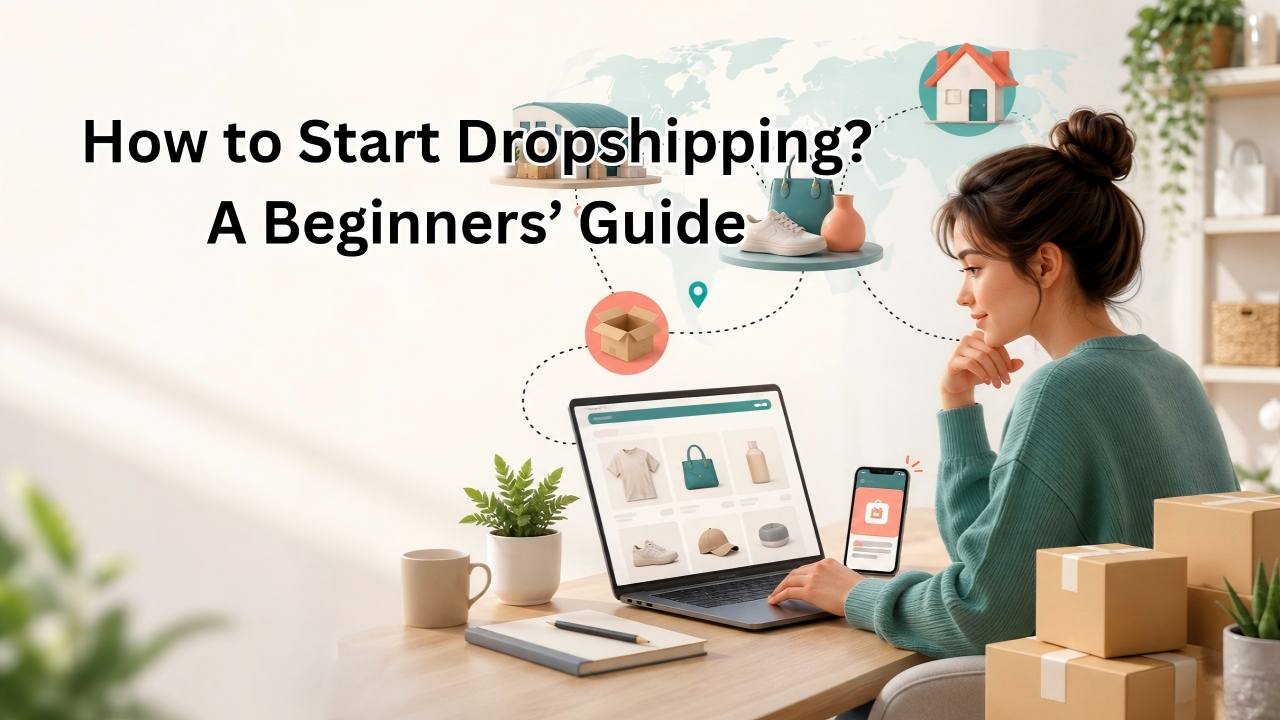
This business model is similar to drop shipping; however, print-on-demand is more advanced, as it also allows for full customization of products. This is a business model in which you can focus almost completely on design and marketing.
How to Start a Print-on-Demand Business Step by Step
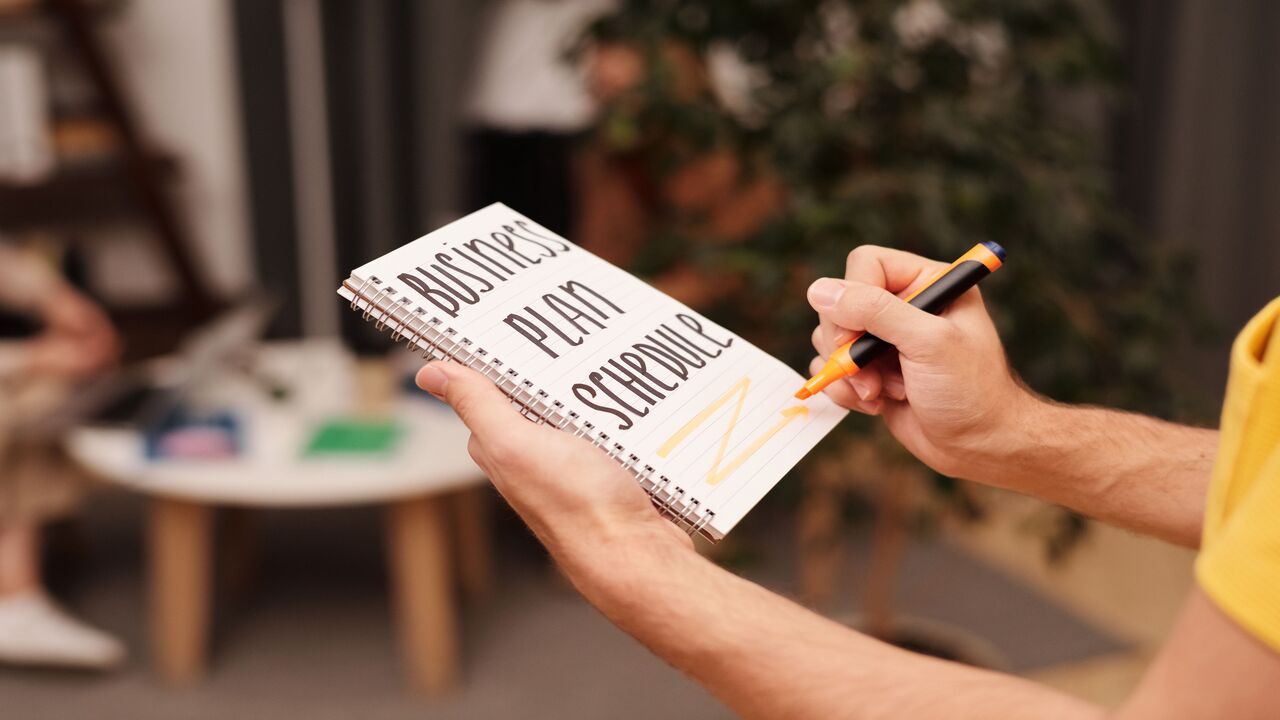
Ready to get started? Here's a practical, step-by-step guide to launching your store—even if you're starting from scratch.
Step 1: Do Market Research
Before you get ahead of yourself with a bunch of different designs, take some time to look into your market. You can go to whichever platform you plan to sell on, filter by what's hot, and check out what designs are already popular. Look for profitable print on demand niches with strong communities, such as dog enthusiasts, gamers, yoga enthusiasts, teachers, or fans of a particular sport.
You need a niche that is popular enough to have a dedicated customer base but broad enough to have a full product catalog. Websites like Google Trends, Pinterest, or even TikTok will help you get an idea of what is popular among your target audience at any given time. You will also have to think about how you plan to stand out from existing brands in your niche.
Step 2: Pick a Type of Product
Once you have chosen that perfect niche, the one you know is gonna sell like hot cakes, you can then focus on the products that you believe will perform best within that niche. The range of print-on-demand business ideas can be quite broad. You might be targeting office workers, in which case motivational office prints and mugs might be a good call. You might be targeting sports enthusiasts, in which case performance tees and tote bags might be a better call. The fewer products you start with, the better. Starting with two or three products can help you build a brand.
Step 3: Create Your Designs

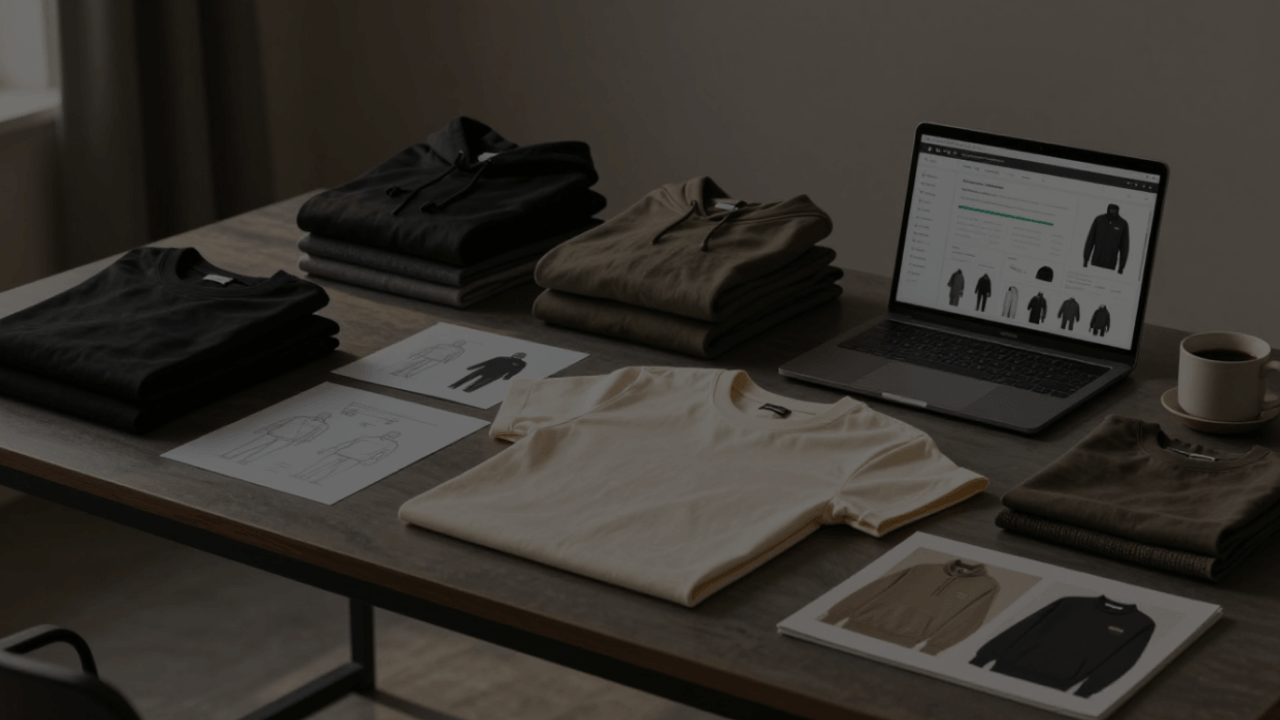
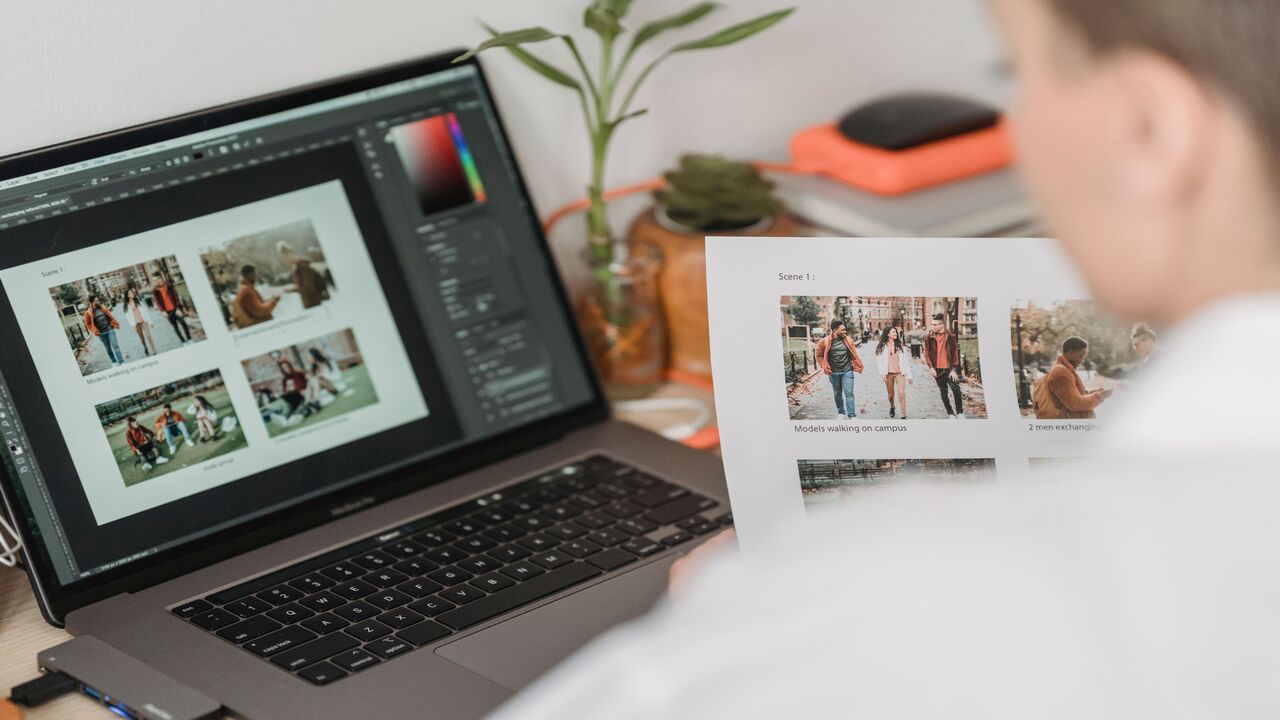
Great designs are at the heart of any successful POD store. You don’t have to be a professional graphic designer to achieve this. With tools like Canva, Adobe Express, or Procreate, anyone can make great-looking designs. If design isn’t your thing, you could always hire someone on Fiverr or 99designs to help you out at various price points.
A few design principles to remember:
- Ensure that your designs are easy to read, especially if they are printed in smaller sizes.
- Research the print size and file type required for each product type. This is usually a 300 DPI PNG.
- Make color or style variations of your top-performing designs to give you more options with little extra work.
Step 4: Choose an E-commerce Platform
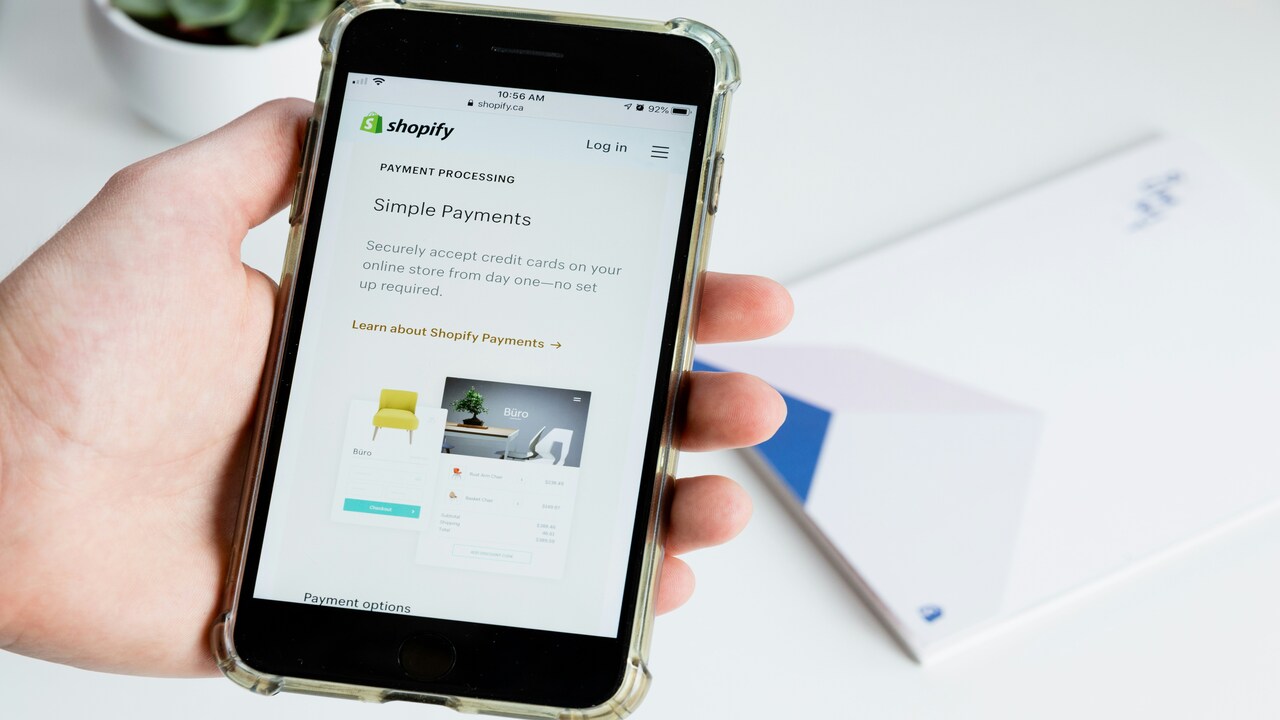
You'll also require a storefront through which you can sell. The top ecommerce platforms among POD sellers include Shopify, Etsy, WooCommerce, and Wix. Each has its advantages and disadvantages:
- Shopify: You'll have full control, but it also means you'll be paying a monthly subscription fee.
- Etsy: You'll have access to existing traffic and a marketplace of buyers actively seeking customized products, which is great for new sellers.
- WooCommerce: Although it's free as a plugin, it does require technical expertise and a hosting service.
- Wix: It's great for new sellers due to its ease of use and low barrier to entry.
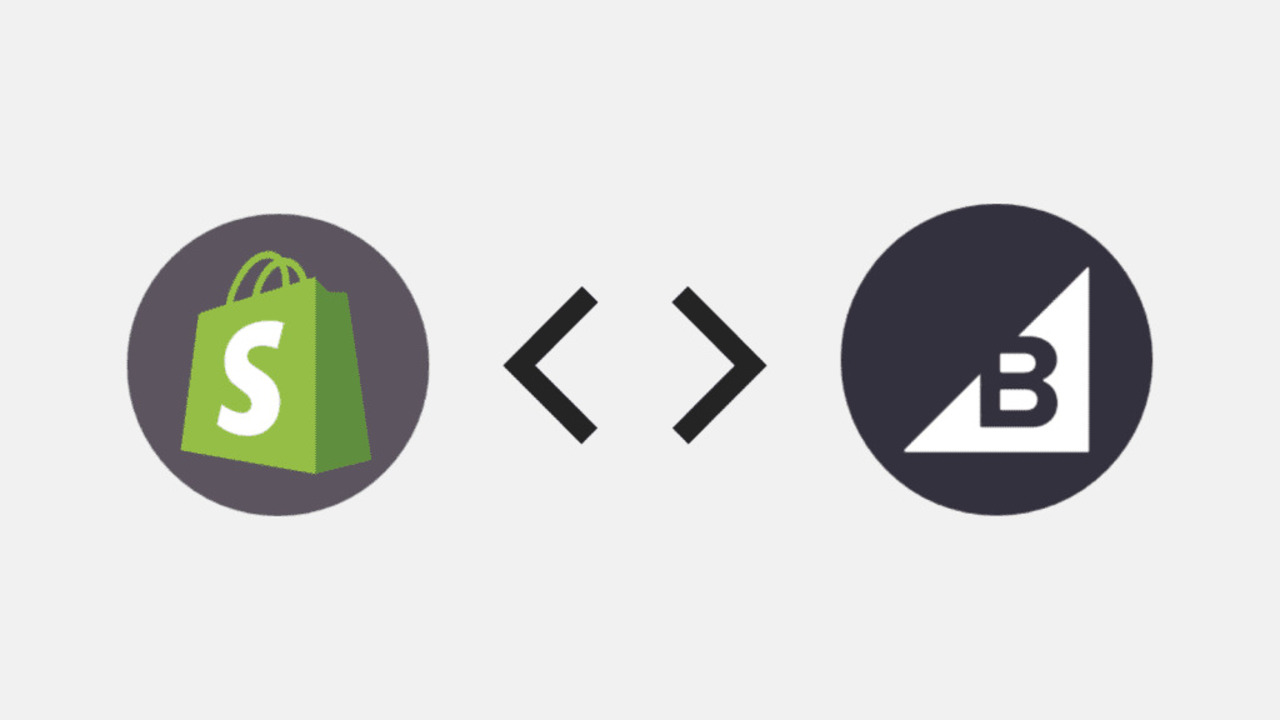
Many successful sellers start on Etsy for organic traffic, then migrate to Shopify once they've validated their products and built an audience.
Step 5: Set Up Your Store
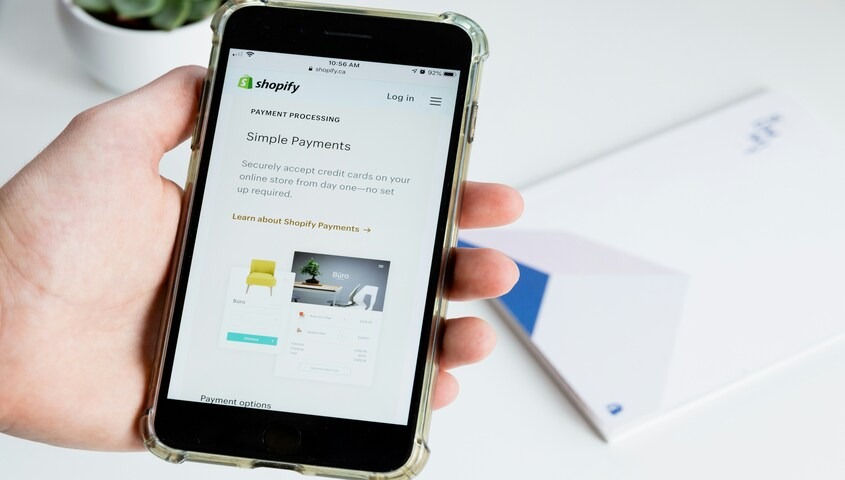
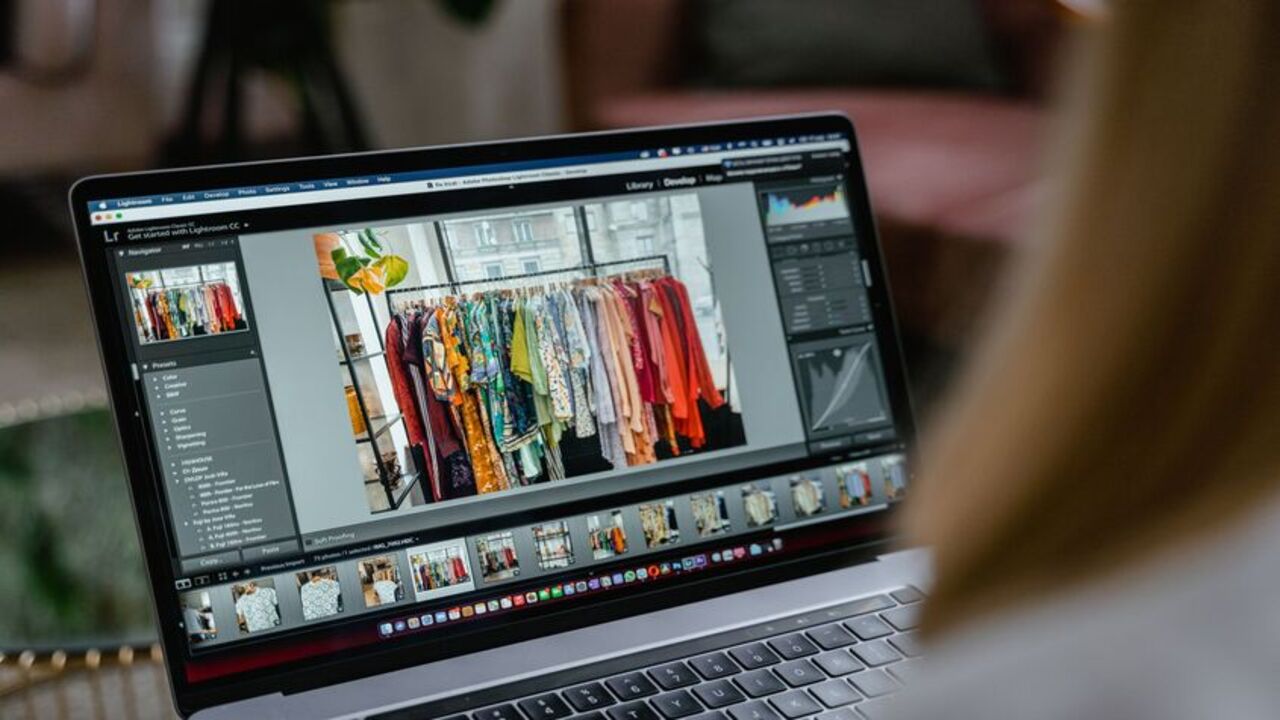
Once you have selected your platform, it’s time to create your storefront. This involves creating compelling product descriptions that are keyword-rich, uploading your high-quality product mockups, setting up your payment gateway, and configuring your print provider. Fortunately, most POD platforms, such as Tapstitch, have an auto-mockup creation feature that helps save a lot of time.
Don’t skimp on your product images, as this will be the determining factor for customers who are unable to touch or try out your product. Lifestyle images are generally more converting compared to white background images.
Step 6: Launch Your Products
Prior to going live, perform a test order. This is one of the most critical and frequently overlooked steps. Order a sample of each product to verify print quality, colors, sizing, etc. What looks fantastic on screen does not always translate perfectly to print, and it is better to catch mistakes before customers do. Once you are satisfied with the quality, it is time to go live. Promote your launch on social media, participate in online communities, and even run a small ad campaign to gather initial data on conversions.
Step 7: Set the Right Pricing and Strategies

Pricing is one of the most common challenges that new POD sellers face. Price it too low, and you won't make any money. Price it too high, and you'll lose customers to your competition. The first step in determining your pricing is to aim for a profit margin of at least 30 to 40 percent more than your base product cost.
You should consider: base product cost charged by your print provider, platform fees and transaction fees, any advertising costs, and your profit margin. In determining how much print-on-demand costs to run, sellers are surprised to see they can operate with virtually no costs because they only pay their provider after receiving payment from a customer.
Step 8: Manage and Grow Your Business
However, once you have your store online, the next focus is on how to run it. This involves monitoring your sales data to identify which designs and products are selling well. You should also keep an eye on the availability of products from your print service provider. This is because some designs tend to run out of stock at times.
Investing in your brand is also essential. This is because social media presence, email marketing, and community engagement are probably the best forms of marketing any POD seller can invest in. This is because they are very cost-effective.
Types of Products You Can Sell
One of the best things about running a print-on-demand business is the sheer variety of products available. Here are some of the most popular and profitable categories to consider:
1. Custom T-Shirts
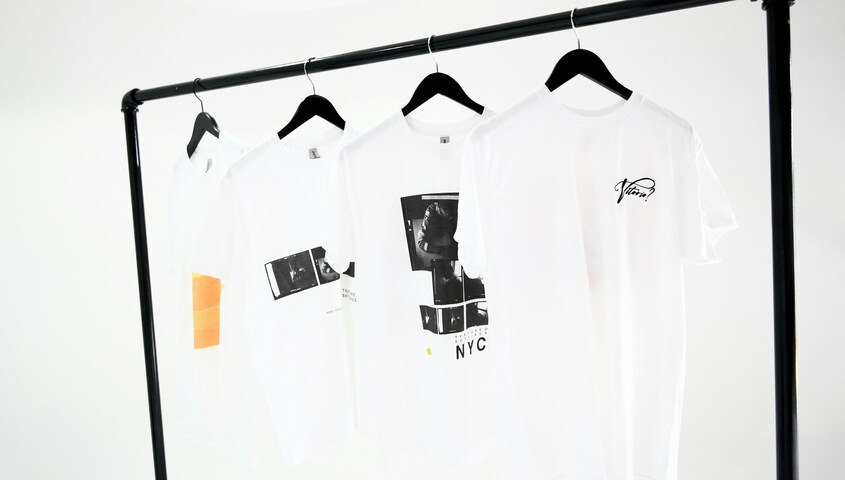
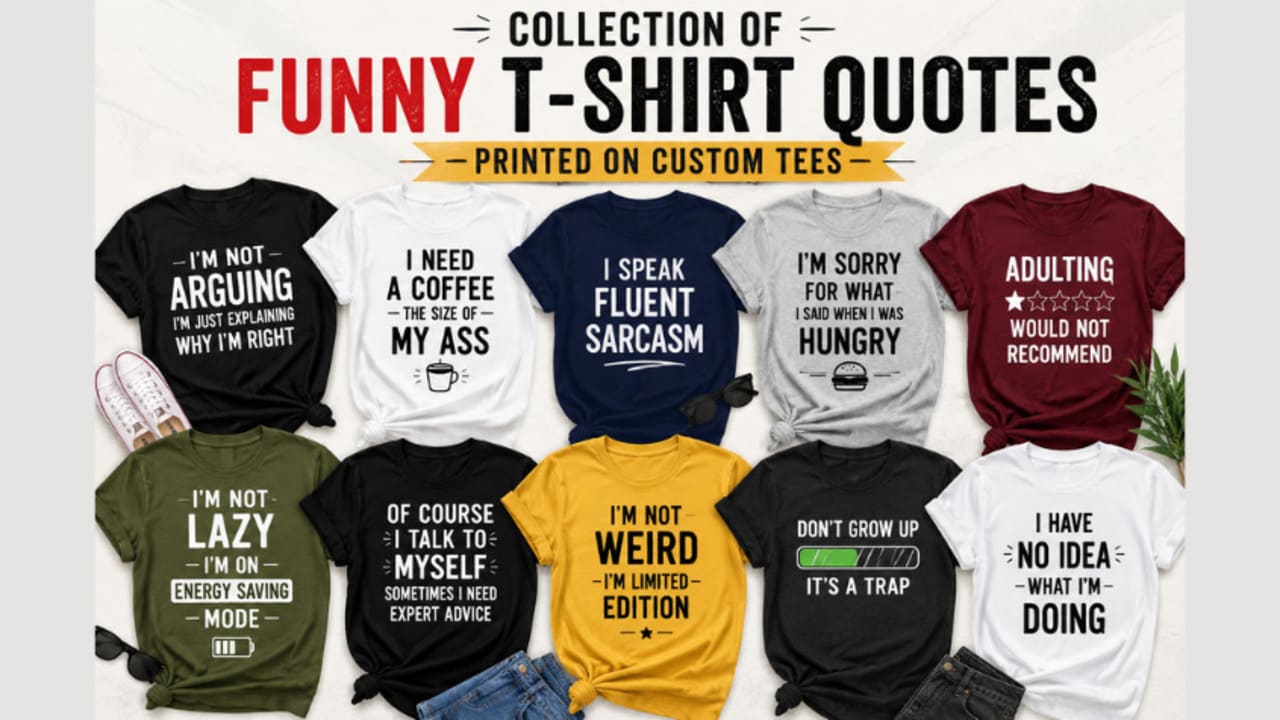
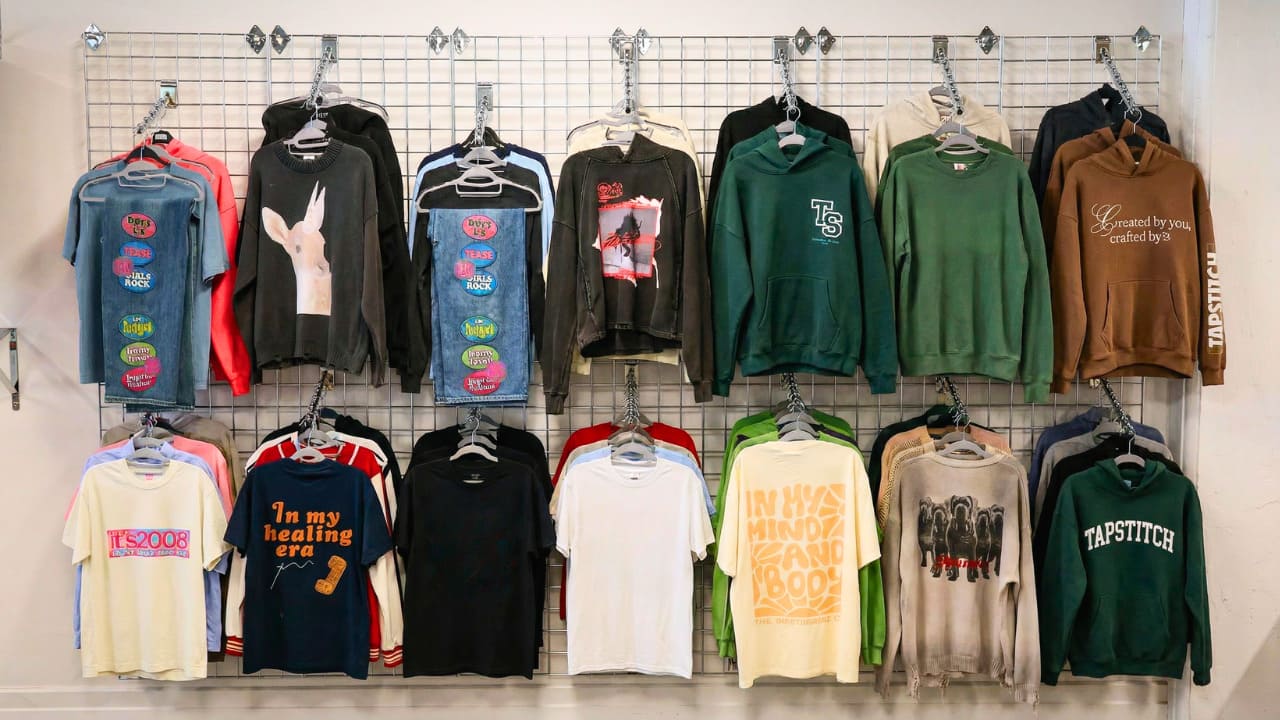
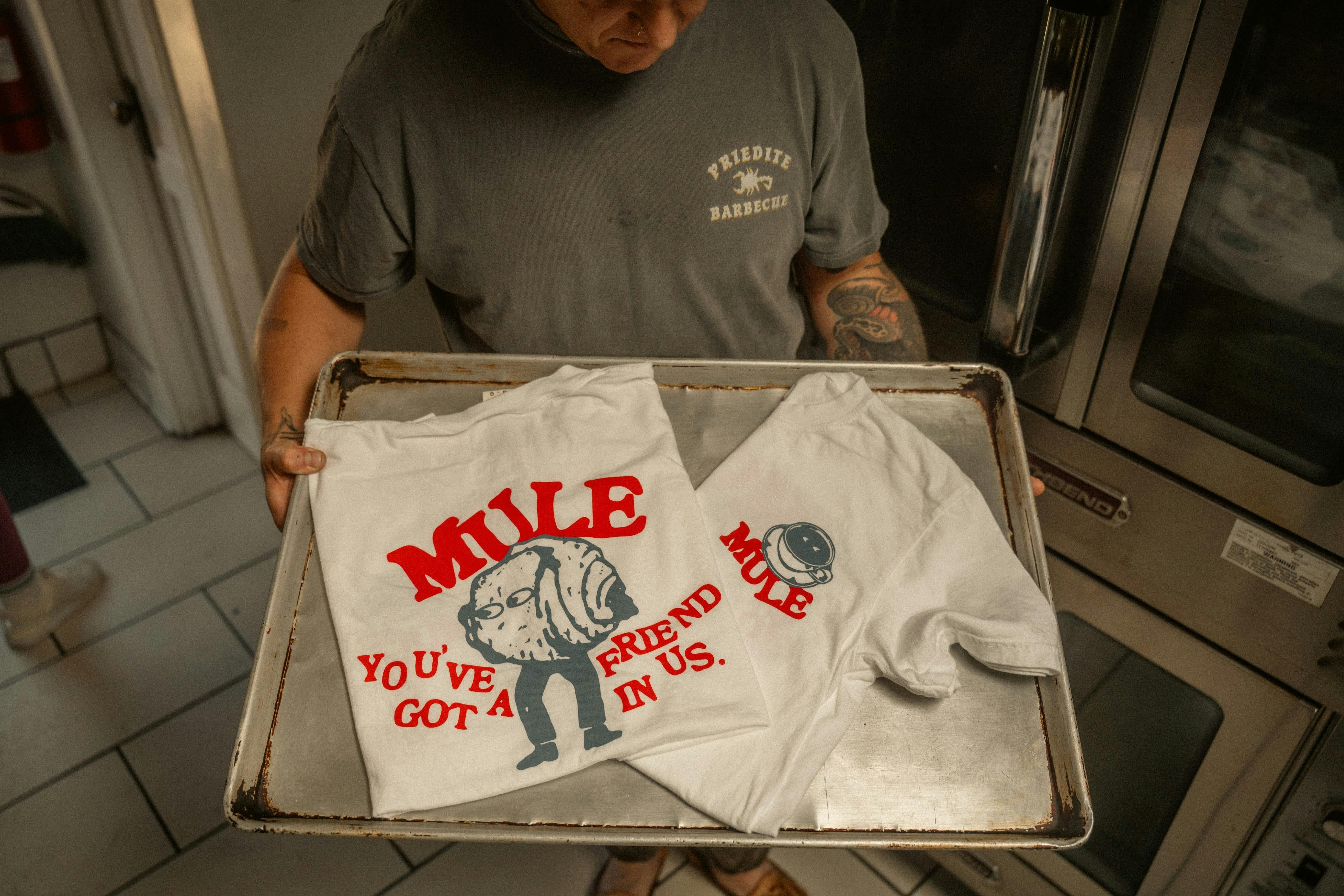
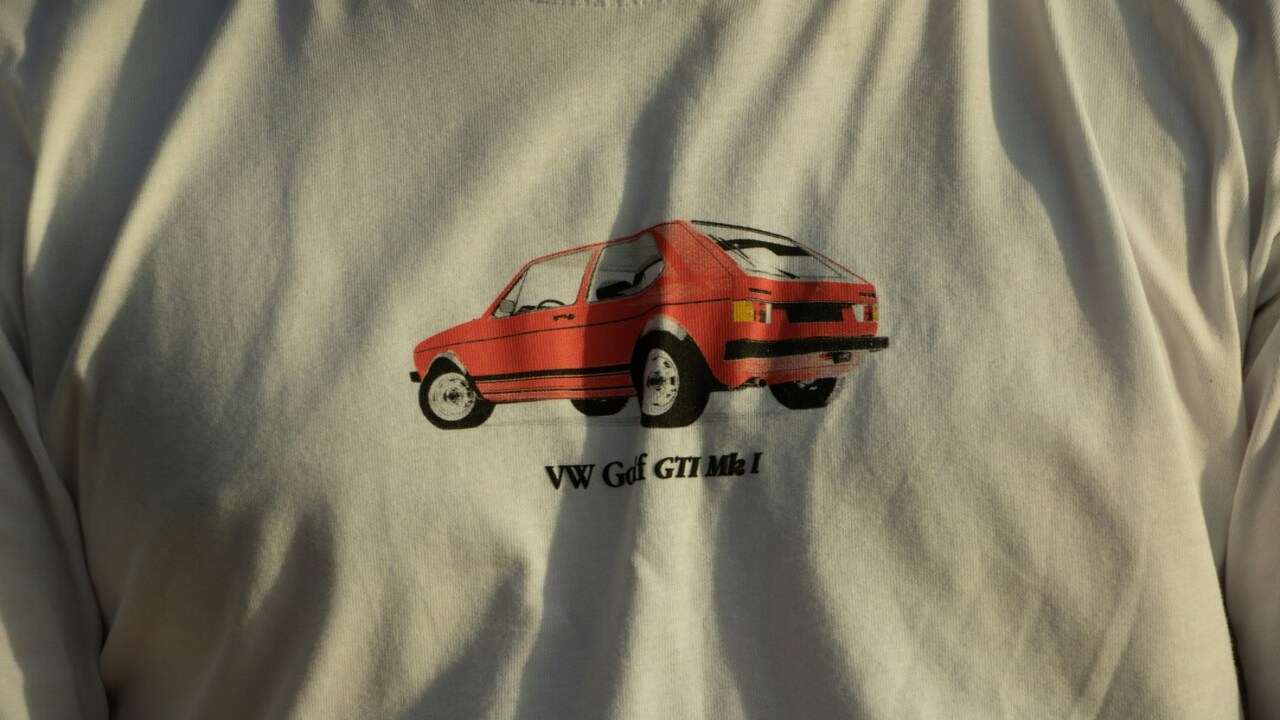
Print-on-demand shirts are the bread and butter of the industry—and for good reason. They are affordable, universally appealing, and have vast design possibilities. When it comes to marketing to specific groups with graphic tees or creating a fashionable brand, shirts are generally a great place to start. They are one of the most given gifts online, especially if it’s personalized or funny.
2. Wall Art & Posters

Art Prints, posters, and canvas wall art have consistently been popular products, especially for the home decor niche. They have a relatively low base cost and, if marketed appropriately, can have high margins, especially if you're targeting the right audience, like home office enthusiasts with motivational quotes, interior design enthusiasts with botanical prints, or travel enthusiasts with illustrated maps.
3. Mugs
Mugs are some of the most popular products to give away and sell again in the world of POD products. They're functional, customizable, and suitable for any niche, from funny quotes to names, minimalist designs, and pop culture references. Even Christmas mugs and birthday mugs have huge potential with minimal design variation.
4. Bags
Tote bags, drawstring bags, and backpacks have become extremely popular with the growing trend against single-use plastics. A well-designed tote bag is said to carry a lot of personality, making it suitable for fashion, lifestyle, and cause marketing brands. They are also a great upsell product to accompany apparel products.
5. Phone Cases
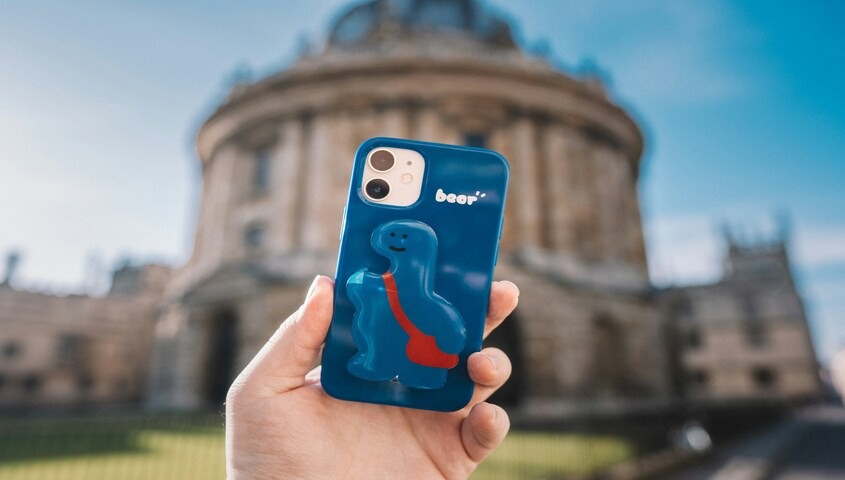
Phone cases have a high purchase frequency since people change their phones often. Moreover, people tend to own multiple phone cases to suit different events or moods. The only challenge is that phone models are constantly being updated. However, most popular platforms update their product offerings consistently to include all the latest models.
6. Stickers
Stickers are the most profitable products to sell with young consumers, hobbyists, and collectors. They are a great way to try out a new design concept without risking too much money in a more expensive product type. Many sellers use stickers as a low-priced entry point to bring new customers to their store.
Pros and Cons of Running a POD Business
Like any business model, print-on-demand has genuine advantages and real limitations. Here's an honest look at both sides so you can set realistic expectations.
Pros
- Low startup costs — You can launch with as little as $0 to $50, with no inventory or equipment investment required.
- No inventory risk — Products are only made when they're ordered, so unsold stock is never a problem.
- Easy to scale — Adding new designs and products involves no physical logistics or warehouse costs.
- Location flexibility — The entire business can be managed from anywhere with an internet connection.
- Beginner-friendly — The technical and operational barrier to entry is lower than almost any other product-based business model.
Cons
- Less margin compared to traditional retail — Since you're working with a print provider, you're paying more per unit compared to manufacturing.
- Less control over quality and shipping — You're at the mercy of your print provider.
- A competitive environment — Anyone can sell, which means there are a lot of people fighting for the same customer base. Design and brand are not optional.
- Organic growth is slow — Without advertising, it takes time.
By understanding these trade-offs going in, you can create a strategy that maximizes the model’s actual benefits while minimizing its drawbacks.
Why Choose Tapstitch for Your POD Business
One of the most important decisions you'll ever make is selecting the right print provider for your store. The quality of your products and your print provider will have a significant impact on your store's reputation and potential for future growth.
Tapstitch was created specifically for creators and entrepreneurs looking to build a legitimate print-on-demand business without the hassle of running one. How we differ:
- High-quality products: Tapstitch partners with the best manufacturers to ensure every product meets a high standard. This includes the weight of t-shirts to custom sportswear.
- Fast turnaround times: Our print fulfillment is fast and reliable, ensuring that your customers will continue to receive excellent service. This is critical to maintaining a healthy store with excellent reviews.
- Easy integration with your store: Our service integrates easily with the most popular e-commerce platforms to ensure that your store is always in sync.
- Competitive pricing: Our pricing model helps you maintain healthy profit margins to reinvest in your business or simply enjoy more of the profits of your store.
- Excellent onboarding experience: Whether you are building your first store or moving your existing store to Tapstitch, we are here to assist you.
If you're serious about building a sustainable, growth-oriented print-on-demand business in 2026, Tapstitch gives you the infrastructure to do it right from day one.
FAQ
How much does a POD business cost?
Starting costs are genuinely minimal. You can launch with as little as $0 if you use a free marketplace like Etsy and free design tools like Canva. Costs scale as you grow — platform subscriptions, domain registration, and advertising are the main recurring expenses. Because you only pay your print provider after a customer places an order, your upfront financial exposure is very low.
Where to sell your POD products?
The most popular choices are Etsy (for organic discovery), Shopify (for brand development), Amazon Merch on Demand (for massive traffic and high competitiveness), and your own standalone store. Many creators use multiple channels simultaneously; for example, they may use Etsy for new customer discovery and Shopify for repeat customers.
Is print-on-demand profitable?
The answer is yes, definitely, but it does take effort. If sellers focus on a niche and invest in quality designs, treating their store like a business, they can create a decent income stream. Some sellers can earn six-figure revenues. The profit margins vary from 20% to 50%, depending on product type and platform fees. The key is treating POD like a business and not a way to earn passive income.
Can I start to use Tapstitch with no money?
Yes. Tapstitch offers a free plan, which allows you to connect your shop, upload your designs, and start fulfilling orders with no upfront fees whatsoever. You only pay for orders as they are received. This means you can start your print-on-demand business with virtually no financial risk at all.
The Final Word
Starting a print-on-demand business in 2026 has never been easier, nor has it ever been more thrilling! The current tools enable you to go from idea to first sale in a matter of days. However, true success comes from laying the groundwork, conducting research on your niche, investing in quality designs, and finding a partner you can count on.
Whether you're interested in print-on-demand business ideas as a side hustle or building a foundation for a full-time business, the future is crystal clear. Choose your niche, create your store, and let Tapstitch do the rest. They're a platform that does all the heavy lifting so you can focus on what matters most: making products people truly love.
The best time to start your print-on-demand business is yesterday. The second-best time is now.
.webp)

.jpg)
.jpg)
.jpg)
.png)

.jpg)
.jpg)
%20(3).jpg)
.png)
.jpg)
.jpg)
.jpg)
.jpg)
.jpg)
.jpg)






.png)




.png)
.jpg)











.jpg)



.jpg)

.png)
.jpg)


.jpg)

.jpg)



.jpg)
.jpg)
.jpg)
.jpg)

%20(1).jpg)

.png)

.png)



%20(1)%20(1).jpg)





.png)
.png)