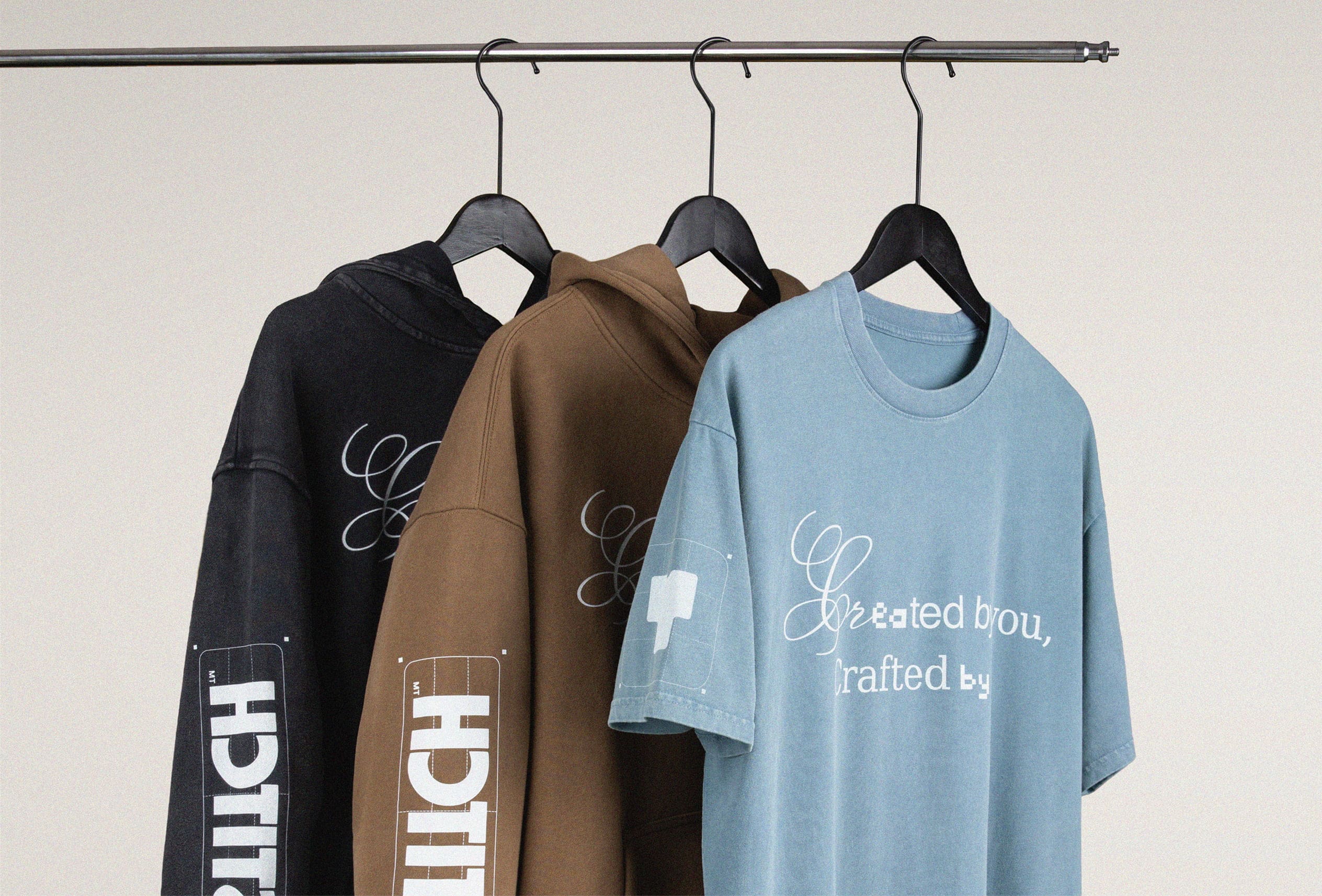







10 Mistakes That Keep Shopify Clothing Stores Under $100K (And How to Avoid Them)
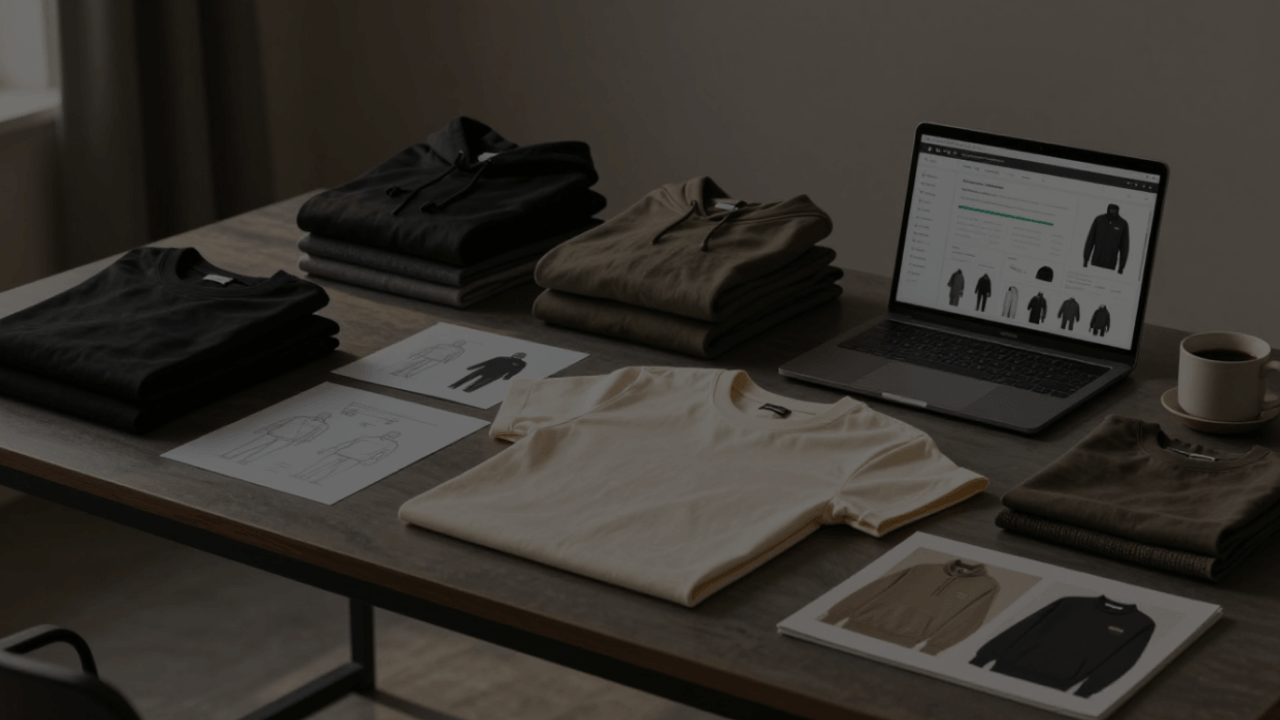


Starting a Shopify clothing store has never been easier.
Building a profitable clothing brand that reaches six or seven figures? That’s a very different challenge.
Global fashion ecommerce is expected to surpass $950 billion in online sales this year and exceed $1.6 trillion by 2030, making fashion one of the largest and fastest-growing ecommerce categories. At the same time, barriers to entry have never been lower, meaning more clothing stores are competing for the same customers than ever before.
Thousands of entrepreneurs launch Shopify clothing stores every day. Yet only a small percentage grow into a successful Shopify clothing store generating consistent six- or seven-figure revenue.
Why?
It’s rarely because of poor designs.
It’s because of poor execution.
For most Shopify clothing brands, reaching $100K isn’t the finish line—it’s proof that you’ve built a repeatable system. At that stage, growth usually comes from refining your products, marketing, and customer experience rather than constantly chasing new ideas.
At Tapstitch, we’ve partnered with more than 50,000 brands and creators, fulfilled over 4 million garments, and built a catalog of 900+ premium apparel styles. Every week, merchants launch thousands of new products through our platform—from first-time founders to established creators with millions of followers.
After working with thousands of clothing brands, one pattern appears again and again:
The fastest-growing Shopify clothing stores don’t necessarily have the biggest budgets or the largest catalogs.
They launch faster.
They learn faster.
And they improve faster.
Whether you’re building your first clothing business or looking to scale an existing Shopify store, avoiding these common mistakes can dramatically improve your chances of long-term success.
Here are the 10 biggest mistakes holding Shopify clothing stores back from reaching their potential.
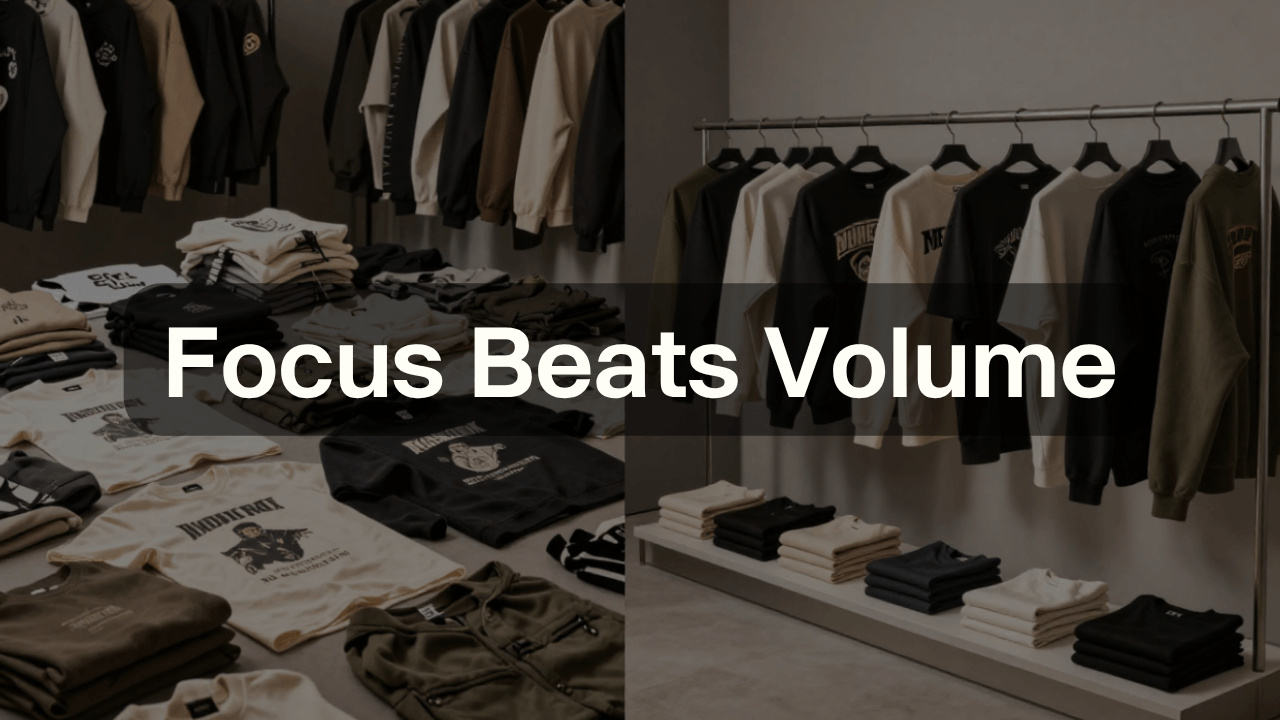
1. Launching Too Many Products Instead of Building a Successful Shopify Clothing Store
One of the biggest mistakes new Shopify clothing stores make is believing that more products automatically lead to more sales.
In reality, a successful Shopify clothing store doesn’t win because it offers the biggest catalog.
It wins because customers immediately understand what the brand stands for.
Instead of launching 150 unrelated products, build a focused collection around one audience, aesthetic, or lifestyle.
Collections create identity.
Identity creates recognition.
Recognition creates loyalty.
The most successful Shopify clothing stores don’t try to appeal to everyone. They focus on one clear niche and build a recognisable brand around it. Whether your focus is casual wear, custom streetwear, premium denim, or everyday wear, consistency almost always outperforms variety.
Customers should be able to visit your online store and immediately understand what makes your brand different.
Takeaway: Before adding another SKU, ask yourself whether it strengthens your brand story or simply makes your clothing store more complicated.
2. Designing for Yourself Instead of Your Customer
A popular Shopfy clothing store doesn’t design for the founder.
It designs for a community.
Ask yourself:
- Who is my ideal customer?
- What creators, athletes, or communities influence them?
- What brands do they already wear?
- Why would they proudly wear my logo?
The best Shopify clothing stores understand that fashion is about identity—not just graphics.
Customers buy products that reflect who they are and how they want to present themselves.
That’s why building a strong brand identity matters so much. Every product, collection, campaign, and piece of content should reinforce the same message. The strongest clothing stores don’t rely on one viral design—they build recognition over time through consistency.
When your brand identity is clear, every new collection feels like a natural extension of your business instead of another disconnected product launch.

3. Investing in Inventory Before Validating Demand
Cash flow—not creativity—is what holds back many new cclothing brands.
Traditional manufacturing often requires significant upfront investment before you’ve made a single sale.
If demand doesn’t materialise, your cash sits in unsold inventory instead of funding marketing, product development, or customer acquisition.
That’s one reason so many entrepreneurs are choosing print-on-demand clothing and fashion-on-demand models.
Instead of guessing which products will sell, they launch smaller collections, collect real customer data, and double down on proven winners.
We’ve seen this firsthand.
- One creator launched a single apparel collection and generated more than 450 orders within the first two days.
- One merchant who switched from a traditional print-on-demand supplier is now on pace for approximately $100,000 in annual GMV after making Tapstitch their primary fulfillment partner.
- Several creator-led brands have grown into six-figure monthly businesses by pairing premium apparel with consistent Shopify and social commerce strategies.
The lesson isn’t that every launch becomes a bestseller.
The lesson is that brands able to test products quickly dramatically improve their odds of finding winners before competitors do.
Launching this way also makes it much easier to sell clothing without taking on unnecessary financial risk. As your clothing business grows, you can gradually introduce custom products, expand your product collections, and invest in larger production runs using real sales data instead of assumptions.
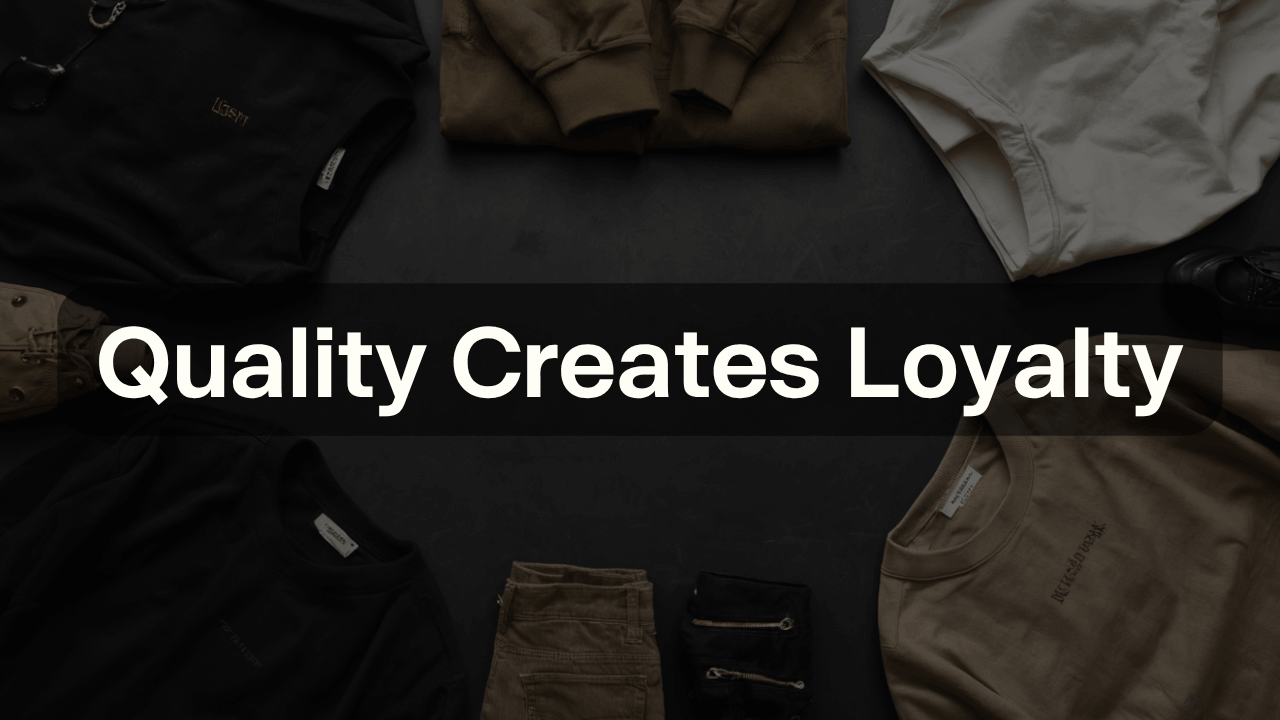
4. Treating Apparel Like a Commodity
Many clothing brands compete on graphics.
The best brands compete on product quality.
Customers come back because they love:
- The fit
- The fabric
- The weight
- The construction
- The overall customer experience
Our merchant data consistently shows that brands introducing premium blanks, seasonal collections, and fresh colourways generate stronger engagement than stores selling the same products month after month.
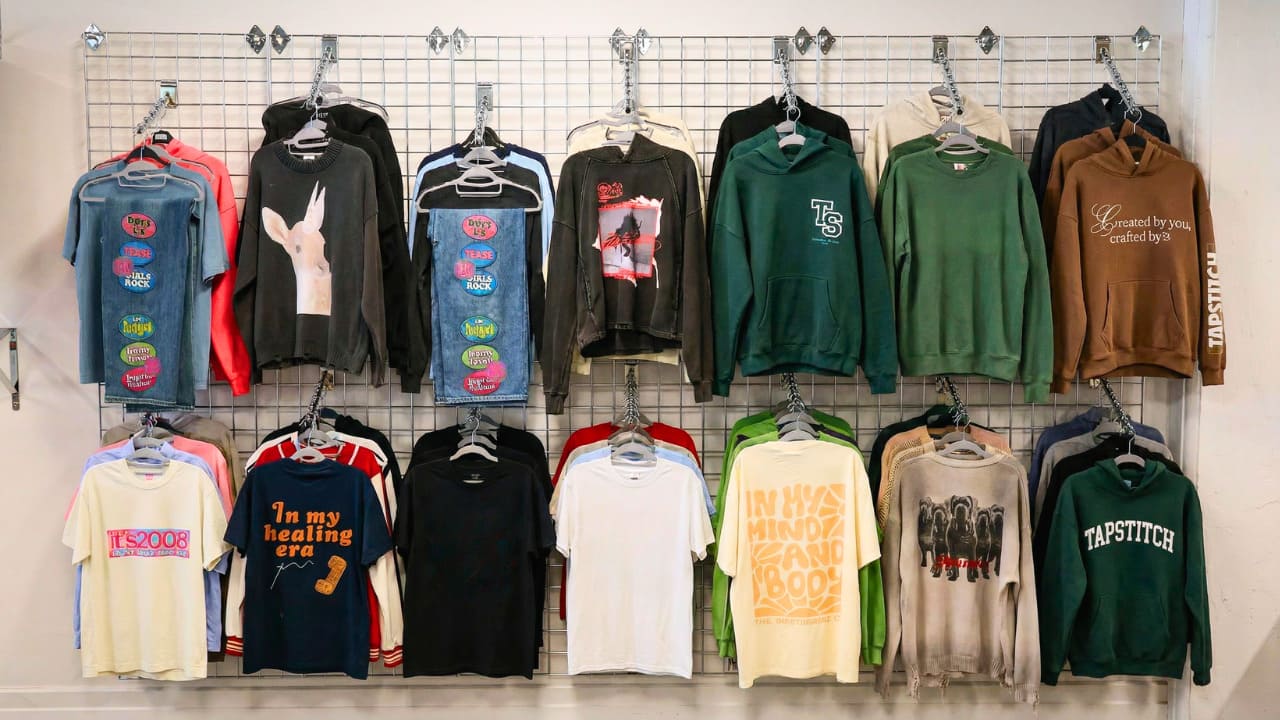
That’s why Tapstitch has expanded to more than 900 premium apparel styles, including:
- Heavyweight oversized tees
- Vintage washed garments
- Premium fleece
- Luxury hoodies
- Streetwear silhouettes
- Embroidery
- Denim
- Activewear
- Women’s apparel
- Accessories
The strongest Shopify clothing stores understand that today’s customers expect more than just good-looking products.
Many shoppers actively look for sustainable fashion, eco friendly products, and garments made using organic cotton, recycled materials, or other eco friendly materials. As sustainability continues shaping the fashion industry, these decisions become part of your overall brand story—not just your product specifications.
Sustainability isn’t just about marketing. Many customers actively look for clothing made from organic cotton, recycled materials, or other eco-friendly materials before making a purchase. Clear information about sourcing and production can help build trust while strengthening your brand story.
Customers don’t want last season’s products.
They want what’s next.
Brands that consistently introduce fresh collections, improve quality, and listen to customer feedback create far stronger long-term loyalty than those competing purely on price.
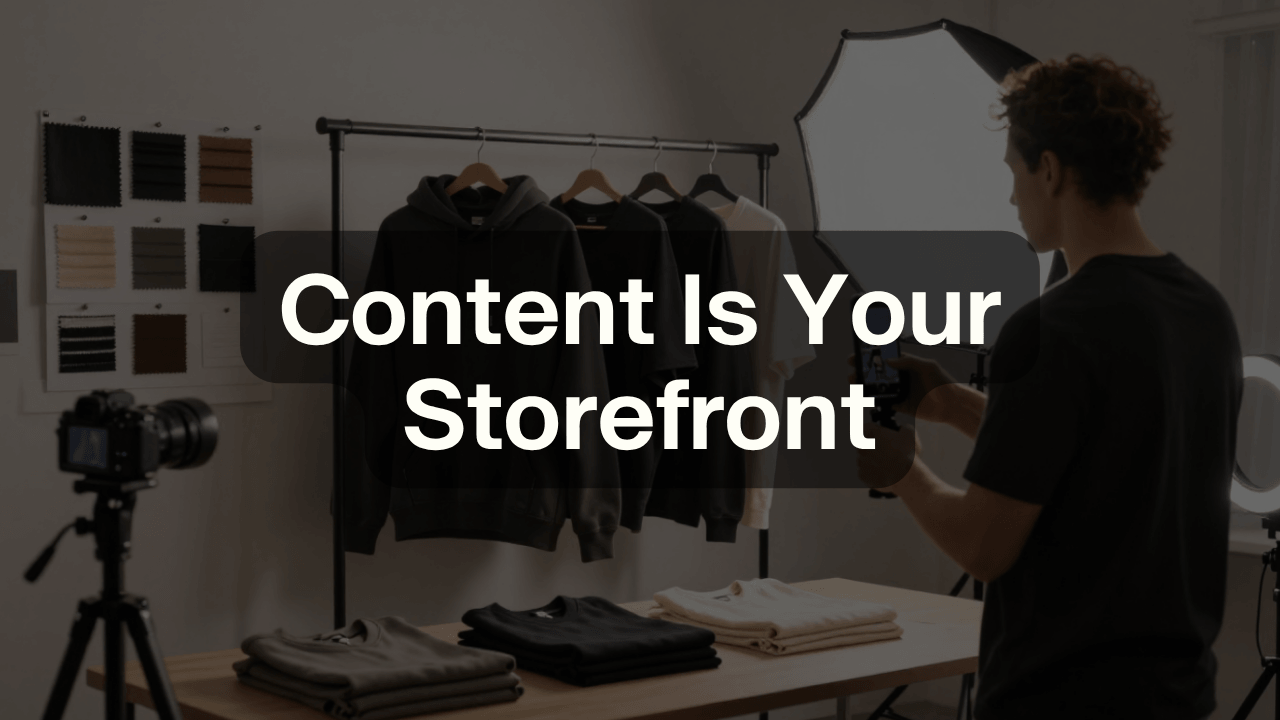
5. Underestimating the Power of Content
Today’s fastest-growing clothing brands are also media companies.
Every product launch creates opportunities for:
- TikTok videos
- Instagram Reels
- Creator collaborations
- Behind-the-scenes content
- Customer testimonials
- Styling videos
- Product education
Content is no longer just marketing.
Content is merchandising.
The goal isn’t simply to reach more people—it’s to create stronger customer engagement throughout the entire ecommerce journey. Educational content, styling inspiration, product demonstrations, and behind-the-scenes videos all help customers connect with your clothing brand long before they’re ready to buy.
The most successful Shopify clothing stores understand that consistent content builds trust, while authentic brand storytelling gives customers a reason to remember—and return to—your brand.
Strong content also supports organic traffic, keeps customers engaged between launches, and creates more opportunities for discovery across multiple channels. Combined with user generated content from real customers, it becomes one of the most effective ways to build credibility without relying solely on paid advertising.
As your audience grows, every new collection becomes another reason to create content, strengthen your brand story, and build lasting customer loyalty.
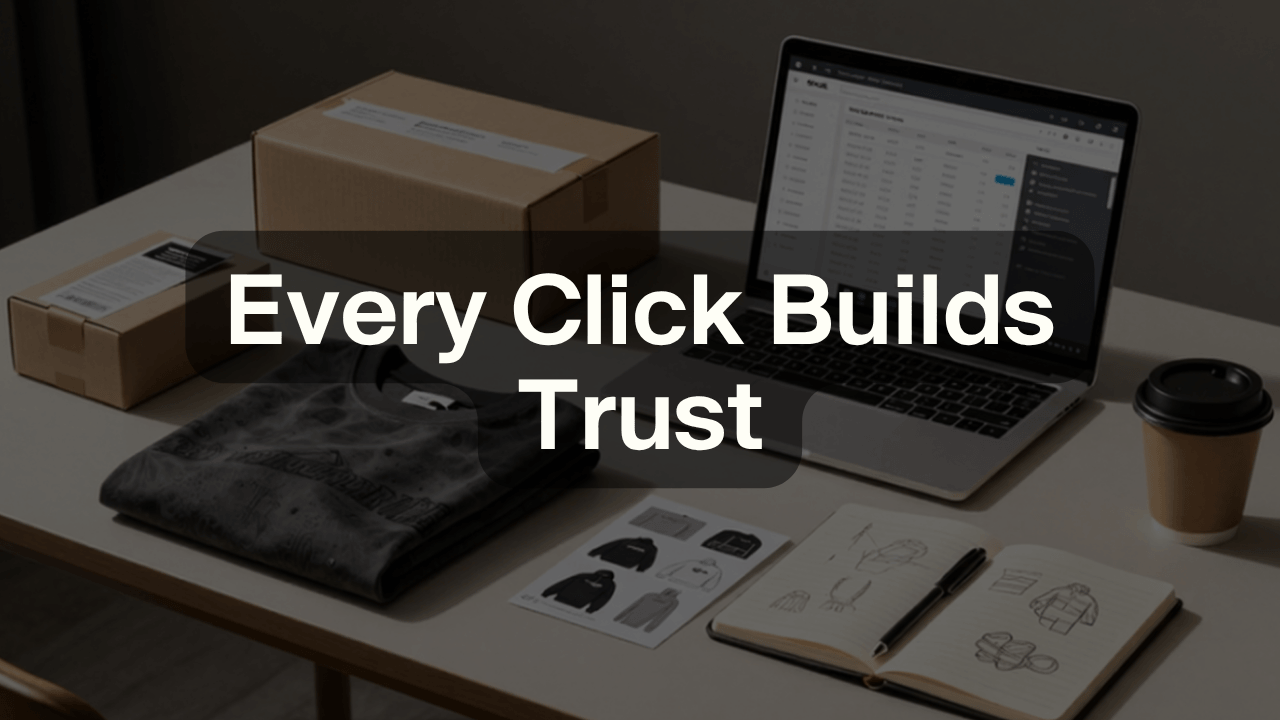
6. Treating Shopify Like a Website Instead of a Growth Engine
Launching a Shopify store is only the beginning.
The highest-performing merchants continually improve:
- Product pages with detailed product descriptions that answer customer questions before they’re asked
- Product photography with professional images showcasing fit, texture, and fabric through high quality images
- Mobile performance through user friendly design and thoughtful Shopify store design
- Conversion rates across ecommerce stores
- Reviews and user generated content
- Bundles and upsells
- Email marketing and automated SMS flows
- Checkout experience with multiple payment options that reduce friction
Newer clothing brands should usually build organic momentum before investing heavily in paid advertising.
Small improvements across every customer touchpoint compound into meaningful long-term growth.
Winning Shopify clothing stores never stop optimizing.
The highest-performing brands treat every visitor as feedback. They analyse customer behaviour, improve their product pages, simplify navigation, test new messaging, and continually refine the overall customer experience instead of treating their online store as something that’s ever “finished.”
For many brands, investing in high-quality product photography delivers a bigger return than spending heavily on a custom website. A clean Shopify theme with excellent product pages often outperforms a beautifully designed site with weak imagery.
Mobile performance deserves particular attention. Many customers first discover Shopify clothing through social media platforms before visiting your website. A fast-loading online store with intuitive navigation and a seamless shopping experience can have a significant impact on conversion rates.
Remember: your website isn’t just where people buy your products.
It’s where they decide whether your clothing brand is worth trusting.

7. Chasing Viral Moments Instead of Customer Loyalty
One viral TikTok doesn’t build a business.
Repeat customers do.
Successful apparel businesses focus on increasing customer lifetime value through:
- Better products designed for their target audience
- Seasonal collections and carefully planned product drops
- Community building supported by consistent brand storytelling
- Regular launches across multiple collections
- An exceptional customer experience
- Loyalty programs or a subscription model with exclusive access
- Retention systems allowing customers to stay involved between launches
- Social proof, including user generated content
Every repeat purchase lowers customer acquisition costs while increasing profitability.
AI tools such as Shopify Magic can also help Shopify store owners improve efficiency, personalise communications, and create better customer experiences at scale.
The question isn’t:
“How do we get more views?”
It’s:
“Why would someone buy from us again?”
Brands that answer that question consistently outperform those chasing the latest algorithm update or viral trend.
Customer loyalty is built through reliability, product quality, and trust—not just reach.
As your Shopify clothing store grows, it’s important to measure more than revenue. Monitor your conversion rate, repeat purchase rate, average order value, and customer acquisition cost to understand which improvements are actually driving growth. Building an email list from day one also gives you a reliable way to launch new collections without relying entirely on social media algorithms.
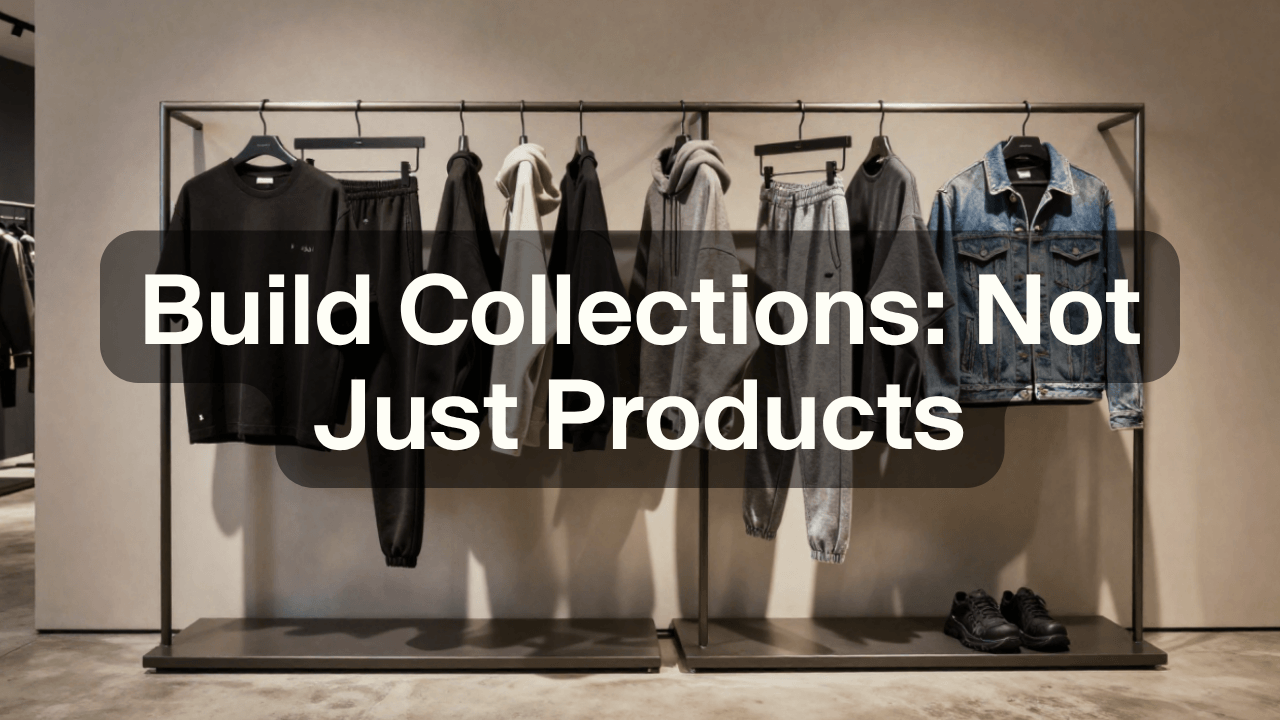
8. Offering Too Little Variety
Fashion moves quickly.
Your storefront should too.
Customers expect brands to evolve with new silhouettes, premium fabrics, fresh colours, seasonal collections, and emerging trends.
Brands built around five basic products often struggle to generate repeat purchases.
After someone buys your signature T-shirt…
…what comes next?
The strongest Shopify clothing stores don’t simply sell apparel.
They build wardrobes.
Rather than relying on one hero product, they develop complementary product collections that encourage customers to return throughout the year. Expanding into new categories strengthens customer loyalty while increasing lifetime value and creating more opportunities for repeat purchases.
At Tapstitch, merchants have access to more than 900 trend-forward styles, allowing them to launch premium streetwear, oversized collections, activewear, denim, embroidery, matching sets, women’s apparel, accessories, and private-label products without carrying inventory.
As your clothing brand grows, you can also introduce categories like graphic tees, casual wear, premium denim, and everyday wear to appeal to different customer needs while maintaining a consistent brand identity.
A customer might first discover your brand through a heavyweight tee.
Months later, they return for:
- An oversized hoodie
- Embroidered holiday apparel
- Matching sweatpants
- Activewear
- New seasonal collections
- Limited product drops
Automated email and SMS flows help bring customers back after that first purchase, while new collections provide fresh reasons to engage with your brand.
Every product launch creates another purchase opportunity.
Every new collection creates another reason for customers to return.
That’s why the fastest-growing Shopify clothing stores don’t ask:
“How do we sell more T-shirts?”
They ask:
“What’s the next product our customer will love?”

9. Waiting for Everything to Be Perfect
Many founders delay launching because they’re waiting for:
- Better photography
- More inventory
- A redesigned website
- Better branding
- A clearer brand story
- More followers
Meanwhile, competitors are learning from real customers through the online store they already have live.
One merchant recently shared:
“We stopped trying to make every product perfect and started launching every week.”
That one change transformed their business, and it’s a pattern we’ve seen repeatedly across successful Shopify store owners.
More launches led to:
- More customer feedback
- More content
- More winning products
- More repeat purchases
- More insights into what their target audience actually wants
Every launch gives you valuable data.
You’ll learn which products resonate, which product pages convert best, what content generates the most engagement, and where customers drop off in your buying journey.
Those insights are impossible to gain if your products never reach the market.
Customers also expect clothing brands to evolve. Fresh silhouettes, seasonal collections, premium fabrics, product drops, and updated colourways give people reasons to keep coming back instead of making a single purchase and disappearing.
Launching faster almost always matters more than endlessly refining your Shopify store design. A clean, user friendly design, high quality images, professional images, and clear product descriptions will outperform an overly complicated website that’s still sitting in development.
Perfection delays growth.
Momentum accelerates it.
10. Trying to Do Everything Yourself
As your clothing brand grows, your role changes.
You’re no longer just creating products.
You’re building a business.
The best founders spend their time on:
- Brand strategy
- Marketing
- Product innovation
- Community building
- Partnerships
- Customer retention
They automate or outsource operational complexity wherever possible so they can focus on activities that actually grow the business.
Whether that’s fulfillment, customer support, content creation, or product development, successful founders understand that trying to do everything yourself eventually becomes a bottleneck.
The goal isn’t to become better at fulfillment.
The goal is to become better at building a clothing brand that customers remember, recommend, and return to.
The strongest Shopify clothing stores are built by founders who spend more time improving their products and customer experience than managing day-to-day operations.
What Makes a Successful Shopify Clothing Store?
If there’s one lesson we’ve learned after working with more than 50,000 brands and creators, it’s this:
There isn’t one secret that separates successful Shopify clothing stores from everyone else.
Success comes from consistently doing dozens of small things well.
The brands that grow the fastest don’t necessarily have the biggest budgets or the largest audiences.
They build a recognisable clothing brand.
They understand their target audience.
They launch consistently.
They improve their Shopify store over time.
And they make decisions based on customer feedback instead of assumptions.
The best Shopify clothing stores don’t treat growth as a single campaign or product launch.
They build systems that make every new collection, every piece of content, every product page, and every customer interaction stronger than the last.
That includes investing in product quality, refining your brand identity, creating compelling product collections, improving customer engagement, and giving shoppers reasons to come back again and again.
Growth isn’t usually the result of one breakthrough moment.
It’s the result of hundreds of small improvements that compound over months and years.
Shopify Clothing Store Success Checklist
If you’re building a Shopify clothing brand, focus on these fundamentals:
- Launch with 5–15 high-quality products instead of hundreds of SKUs.
- Prioritise product photography before investing in expensive website design.
- Use a mobile-friendly Shopify theme with a clean layout.
- Build product pages with detailed descriptions and customer reviews.
- Publish consistent content across social media platforms.
- Start building an email list from day one.
- Measure conversion rate, repeat purchase rate, and customer acquisition cost.
- Introduce new collections regularly based on customer feedback.
The Future Belongs to Faster Apparel Brands
The next generation of successful Shopify clothing stores won’t necessarily spend the most on advertising.
They’ll win because they:
- Launch products faster
- Test ideas with real customers
- Follow fashion trends more closely
- Produce more content
- Build stronger communities
- Deliver high quality products
- Continuously introduce new collections
- Create memorable customer experiences
At Tapstitch, we’ve helped more than 50,000 brands and creators, fulfilled over 4 million garments, and watched merchants grow from first-time founders into six- and seven-figure apparel businesses.
One thing has become incredibly clear.
Customers rarely come back for another logo.
They come back because they trust your clothing brand to consistently deliver products they’ll genuinely want to wear.
Whether that’s premium basics, everyday wear, custom streetwear, premium denim, or seasonal collections, long-term growth comes from continually giving customers something worth returning for.
If you launch consistently, stay close to your audience, refine your customer experience, and keep improving your Shopify clothing store, you’re not simply building an online store.
You’re building a brand that becomes more valuable with every customer, every collection, and every launch.
Frequently Asked Questions
How do I grow a Shopify clothing brand?
Growing a Shopify clothing store starts with building a clear brand identity and understanding your target audience. Instead of launching hundreds of products, focus on a small collection of high-quality items that represent your brand. Consistently publish content across social media platforms, improve your Product pages with detailed product descriptions, sizing information, material details, and multi-angle photography that gives customers confidence before they buy. Also consider encouraging user generated content through customer reviews. As your Shopify clothing store grows, continue introducing new collections, testing product drops, and refining your customer experience based on real customer feedback rather than assumptions.
Is print-on-demand good for a Shopify clothing store?
Yes. Print-on-demand is one of the lowest-risk ways to start a clothing business because it allows you to validate demand before investing in inventory. Instead of purchasing large production runs upfront, you can sell clothing as orders come in while testing new designs, fabrics, and collections. As your Shopify clothing store grows, sales data can help you decide which products deserve larger production runs or private-label manufacturing. This approach reduces financial risk while allowing brands to move faster than traditional apparel businesses.
How many products should a new Shopify clothing store launch?
Most successful Shopify clothing stores begin with a focused collection of around 10–20 complementary products rather than hundreds of unrelated items. A smaller range helps customers understand your brand, simplifies marketing, and makes inventory management easier. Many of the fastest-growing clothing stores focus on perfecting a core range before expanding into additional product collections such as hoodies, activewear, premium denim, accessories, or everyday wear.
What makes customers buy from a Shopify clothing store again?
Repeat purchases are driven by product quality, trust, and customer experience. Customers are more likely to return when they receive high quality products, discover fresh collections regularly, and enjoy a seamless shopping experience from browsing to checkout. Retention also improves when brands use user generated content, automated email and SMS flows, exclusive access to product drops, and loyalty initiatives such as a subscription model. Strong brand storytelling and consistent communication help customers feel connected long after their first purchase.
Is Shopify good for clothing stores?
Yes. Shopify is one of the most popular ecommerce platforms for clothing stores because it combines ease of use with powerful growth tools. A successful Shopify clothing store can be launched quickly, while built-in integrations make it easy to manage payments, shipping, marketing, and social commerce. As your business grows, Shopify also supports advanced apps for customer engagement, subscriptions, analytics, and automation, making it suitable for both new founders and established apparel brands.
Free Shopify themes like Dawn are an excellent starting point for new brands because they prioritise product visibility, while Spotlight is another beginner-friendly option for merchants who want a clean, fast-loading storefront.
What should a Shopify clothing store include?
Every Shopify clothing store should prioritise a user friendly design, fast mobile performance, high quality images, detailed product descriptions, and clear navigation. Product pages should answer common customer questions, showcase fit and materials, and build trust through reviews and user generated content. Multiple payment options, transparent shipping policies, and a simple checkout process all contribute to a better customer experience and higher conversion rates.
How important is sustainability for clothing stores?
Sustainability is becoming increasingly important across the fashion industry as more consumers actively seek eco friendly products and responsible manufacturing. Many clothing stores now incorporate organic cotton, recycled materials, and other eco friendly materials into their collections to reduce environmental impact while appealing to environmentally conscious shoppers. Sustainable fashion is no longer just a trend—it’s becoming an important part of long-term brand positioning and customer trust.
Should I build my website before marketing my Shopify clothing store?
No. One of the biggest mistakes new founders make is waiting for the perfect website before attracting customers. A clean Shopify store with strong product pages, professional photography, and a clear brand story is usually enough to start selling. Focus on creating content, building an audience on social media platforms, collecting email subscribers, and gathering customer feedback early. The best Shopify clothing stores continuously improve their websites based on real customer behaviour instead of trying to perfect everything before launch.
How can I improve conversions on my Shopify clothing store?
Improving conversions starts with the fundamentals: high-quality product photography, detailed product descriptions, transparent shipping and returns, customer reviews, fast mobile performance, and a simple checkout. Many successful clothing brands see better results from improving existing product pages than adding more products.
.webp)

.jpg)
.jpg)
.jpg)
.png)

.jpg)
.jpg)
%20(3).jpg)

.png)

.jpg)
.jpg)
.jpg)
.jpg)
.jpg)
.jpg)







.png)




.png)

.jpg)











.jpg)



.jpg)

.png)
.jpg)


.jpg)
.jpg)




.jpg)
.jpg)
.jpg)
.jpg)
.jpg)

%20(1).jpg)

.png)

.png)


%20(1)%20(1).jpg)






.png)
.png)